

 According to the job site Indeed, COVID-19 has taken a toll on workers even more in 2021, compared to 2020. The survey conducted by Indeed found that 52 percent of those surveyed felt “burned out” in 2021. Sixty-seven percent of those asked said that feeling burned out has become more pronounced as COVID-19 has progressed. It’s more noticeable among remote workers (38 percent), compared to 28 percent of employees working in person.
Gallup reported in October 2020 that between 2016 and 2019, worker burnout was already on the radar. Once COVID-19 hit workers in 2020, those working remotely 100 percent of the time are reporting even higher levels than those who work outside the home.
Pre-COVID-19, when employees worked remotely either 100 percent of the time or via a hybrid approach, they had lower levels of burnout compared to those who worked at their place of employment full-time.
When it comes to remote-only employees who “experience burnout at work always or very often,” levels have gone from 18 percent pre-pandemic to 29 percent during the coronavirus pandemic.
This phenomenon is blamed on not being able to choose to work remotely or at the workplace – the choice is not there with COVID-19. As of September 2020, 4 in 10 full-time employees worked exclusively from home, compared to 4 percent pre-COVID.
According to the Mayo Clinic, “job burnout is a special type of work-related stress.” Internal factors, according to the Mayo Clinic and Gallup, include uneven treatment by management, excessive work assigned to an individual, a toxic workplace and ambiguous or unclear assignment instructions.
Outside factors such as their personal life, their natural disposition, mood disorders, etc. may add to it. When a worker is fatigued, physically or intellectually, this also grips the worker with a feeling of lower productivity and a loss of who they are professionally.
For those who can’t manage job-related stressors, burnout often leads to negative results. According to the Centers for Disease Control and Prevention (CDC), this includes feeling dubious about one’s future at the company, experiencing an inability to sleep, an inability to concentrate, feeling tired and having little motivation to complete one’s work.
If there’s a completely new way of working, unpredictability of being exposed to COVID-19, having to juggle work and personal obligations throughout the workday and the inability to have the right tools to get work tasks completed, burnout will likely ensue.
Managing Burnout
There are many recommendations to regain control and keep work-related stress in check. This includes creating a schedule for both regular sleep and time to fulfill work tasks, if feasible. Taking strategic breaks and finding constructive non-work interests can lessen the stress of work as part of a balanced schedule.
According to Gallup, managers must harmonize maintaining high-performance expectations with employee commitment to the organization and worker welfare.
Gallup credits effective managers and “organizational communication” with keeping full-time remote workers fully engaged by making them feel like an integral part of their company. Through purposeful training and crystal-clear expectations, workers are set up for success.
The CDC recommends how workers can reduce the effects of burnout. Staying diligent with emotional wellbeing treatments and recognizing and getting treatment for new substance abuse issues is recommended. Staying in touch with others can help both sides feel supported mentally and lower stress. Taking a break from constant negative news is also recommended.
Much like businesses, employees are unique. With COVID-19 impacting each of us differently, managers must evaluate their organization’s circumstances and employees to find a balance between employee performance and their ability to maintain wellbeing.
Sources
https://www.cdc.gov/coronavirus/2019-ncov/community/mental-health-non-healthcare.html
https://www.gallup.com/workplace/323228/remote-workers-facing-high-burnout-turn-around.aspx
https://www.mayoclinic.org/healthy-lifestyle/adult-health/in-depth/burnout/art-20046642
https://www.indeed.com/lead/preventing-employee-burnout-report

 According to a recent U.S. Travel Association forecast, only about one-third of companies are requiring their employees to travel. With business travel still at a low, how can companies develop a travel policy that reduces the risk of COVID-19?
 Based upon a recent McKinsey Global Survey, nearly 9 in 10 (87 percent) of management and above level respondents affirmed they are currently, or within the upcoming five years, dealing with the skill gap among their employees. With the vast majority of businesses experiencing or forecasting a skills-gap, how can they close or reduce this challenge?
 With the internet available for essentially all employees and remote work becoming a part of more businesses’ operations, developing a bring-your-own-device (BYOD) policy is almost necessary to help employees be more productive and safe while working. Research shows there are many reasons why businesses should develop the right type of BYOD policy.
 According to the Bureau of Economic Analysis, consumer spending has seen some interesting trends over the first half of 2021. May was flat, April was at 0.9 percent, March was 5.0 percent, and February was at 1.0 percent. With varied consumer spending statistics as the nation comes out of the pandemic, it’s important for businesses to get demand forecasting as accurate as possible.
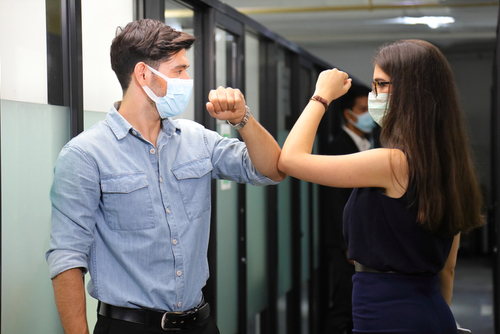 According to a Prudential survey, 87 percent of respondents said they would prefer to work remotely at least one day per week. This is compared to 13 percent of respondents preferring to work at the office all the time. The same survey found that one-third of respondents wouldn’t want to work for a business that had a 100 percent on-site work policy.
 According to a Tufts University survey, six in ten of those surveyed are now vaccinated against COVID-19. However, almost 40 percent of the unvaccinated respondents said they won’t get the vaccine. Only 28.5 percent of the remaining unvaccinated respondents said they will get vaccinated against COVID-19 in the future, with the remaining unvaccinated respondents unable to decide whether they will take the vaccination. With vaccine hesitancy a concern, how can employers encourage more people to get the vaccine?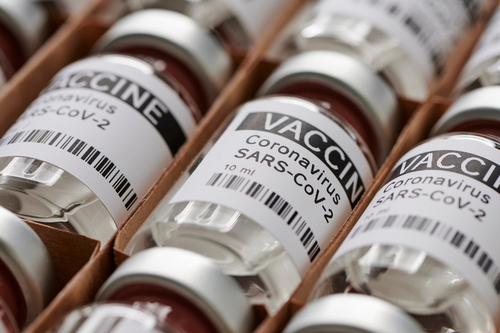
 Looking at a 2009 letter from the U.S. Department of Labor, Occupational Safety and Health Administration (OSHA), employers may be able to require their employees to take the COVID-19 vaccine, with a few exceptions (such as the likelihood of a life-threatening reaction to it). With the COVID-19 vaccine being rolled out, how can employers balance workplace safety, maintain productivity and stay within the law?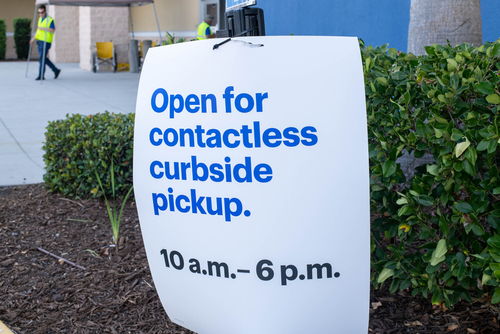
 In order to survive – and even thrive – during these unprecedented times, small businesses have had to find new ways to make money. The UPS Store’s Small Biz Buzz survey found that 41 percent of small businesses in the United States took steps to modify their businesses in hopes of survival. Fifteen percent provided customers with curbside delivery options, 28 percent moved to online sales as their primary source of sales, and 65 percent made a concerted effort to grow their e-commerce capabilities.
 With COVID-19 still requiring remote working, companies that effectively on-board new workers retain their workers longer, have better worker performance and increase their profits by almost 100 percent, according to the U.S. Chamber of Commerce. However, there are many considerations that companies should take during this important process.